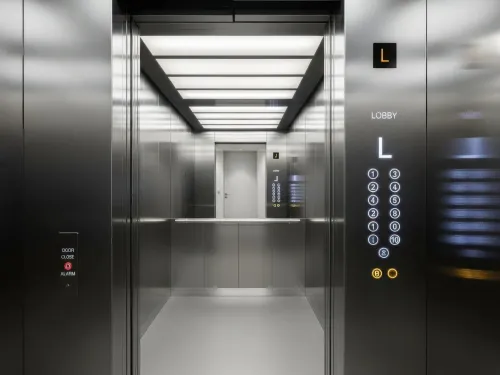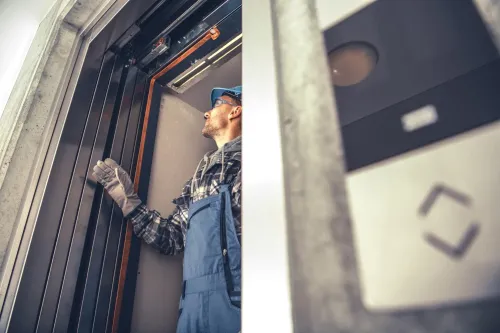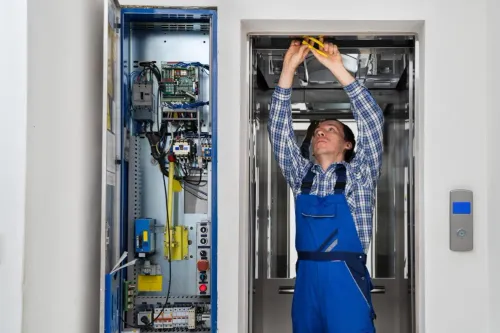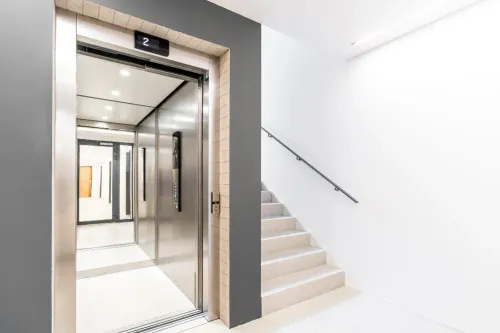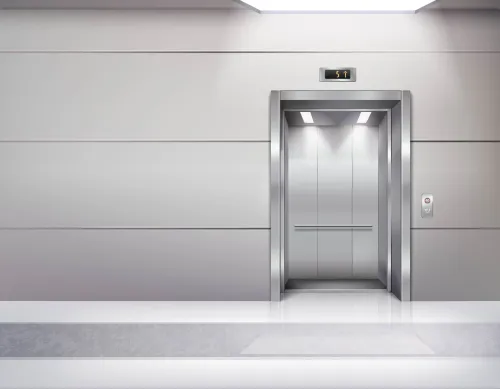
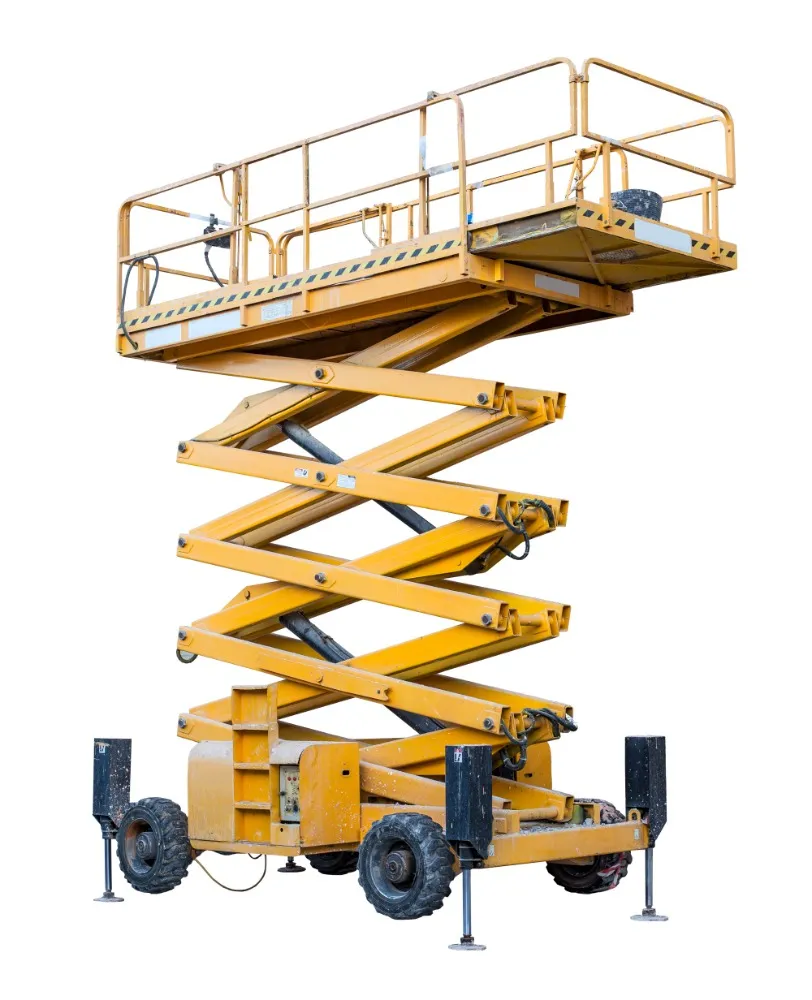
Material movement is a critical part of operations in warehouses, factories, retail stores, hospitals, and commercial buildings. Moving heavy loads manually not only consumes time but also increases the risk of workplace injuries and product damage. This is why businesses increasingly rely on experienced Goods Lift Manufacturers to provide safe and efficient lifting solutions.
In an industrial hub like Pimpri Chinchwad, where manufacturing, logistics, and commercial activities operate at scale, selecting the right goods lift can significantly improve workflow and operational efficiency.
What Is a Goods Lift?
A goods lift is specifically designed to transport materials, equipment, inventory, and heavy loads between different floors. Unlike passenger elevators, these lifts prioritize load capacity, durability, and reliable operation under demanding conditions.
Goods lifts are commonly installed in:
- Manufacturing facilities
- Warehouses
- Shopping malls
- Hospitals
- Hotels
- Distribution centres
- Automobile workshops
The design varies depending on the weight, frequency of use, and available installation space.
Choosing the Right Capacity
One of the first decisions when selecting a goods lift is determining the required load capacity. Choosing a lift that is too small can reduce efficiency, while an oversized system may increase unnecessary costs.
Consider factors such as:
- Maximum load weight
- Daily lifting frequency
- Floor height
- Type of goods transported
- Loading and unloading methods
A proper assessment helps ensure the lift performs efficiently under regular operating conditions.
Features That Improve Daily Operations
Modern goods lifts include several features that enhance safety and productivity.
Common features include:
- Heavy-duty steel platforms
- Automatic landing doors
- Smooth lifting mechanisms
- Emergency stop controls
- Overload protection
- Durable guide rails
- User-friendly control panels
These features contribute to consistent performance in demanding work environments.
Why Maintenance Should Never Be Ignored
Regular servicing helps prevent unexpected breakdowns that can interrupt business operations.
A preventive maintenance schedule typically includes:
- Inspection of lifting mechanisms
- Lubrication of moving parts
- Safety device testing
- Electrical system checks
- Door alignment inspection
- Load testing where required
Routine maintenance often extends equipment life while reducing costly repairs.
Selecting a Reliable Manufacturer
An experienced manufacturer evaluates operational requirements before recommending an appropriate solution. The quality of engineering, installation, and after-sales support all influence long-term performance.
Companies such as Ozone Elevators provide goods lift solutions for different commercial and industrial applications while focusing on safety standards, operational efficiency, and dependable performance.
For businesses in growing industrial areas like Pimpri Chinchwad, investing in a well-designed goods lift supports smoother material handling, better workplace productivity, and improved operational reliability.
Keywords